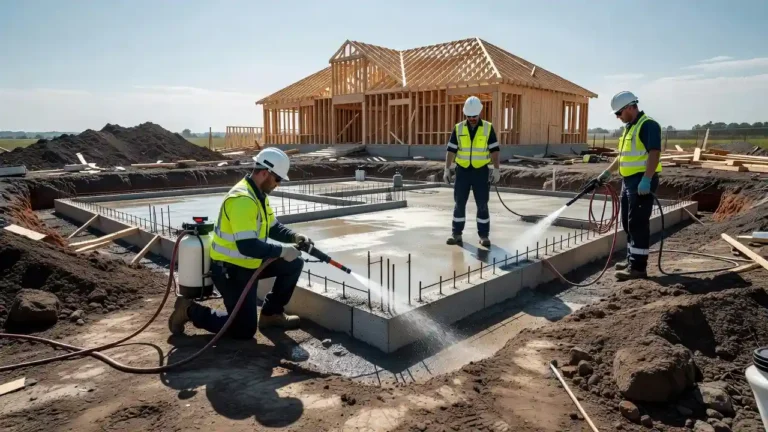

If you are looking to reclaim your home’s curb appeal, mastering the art of concrete cleaning is the most cost-effective DIY project you can undertake. In this guide, we will dive into the professional-grade techniques, safety essentials, and maintenance secrets that keep your masonry looking brand new for years to come.
Concrete Mixer Machine Price: A Comprehensive Buyer’s Guide for 2026
Why Regular Concrete Cleaning Matters for Your Home
While many homeowners view cleaning their driveway as a purely aesthetic choice, it is actually a vital part of property maintenance. Dirt and salt deposits don’t just look bad; they can cause physical degradation. According to maintenance standards shared by the American Concrete Institute, periodic cleaning prevents the buildup of corrosive materials that can lead to scaling and surface “spalling.”
When you commit to regular concrete cleaning, you are essentially:
- Preventing Slip Hazards: Algae and moss growth can turn a sidewalk into a skating rink when wet.
- Increasing Property Value: First impressions are everything; a clean exterior suggests a well-maintained interior.
- Extending Longevity: Removing acidic oil spills prevents the breakdown of the concrete’s chemical bond.
Assessing the Mess: Choosing the Right Cleaning Method
Not all stains are created equal. Before you fire up a pressure washer, you need to identify what you’re up against. A “one-size-fits-all” approach can actually damage your surfaces if you aren’t careful.

Surface Dust and Organic Debris
For simple dirt, leaves, and pollen, a high-pressure garden hose and a stiff-bristled brush are often enough. This is the gentlest form of concrete cleaning and should be your first line of defense.
M10 Concrete Ratio: The Complete Guide to Mix Proportions and Usage
Oil and Grease Stains
If your car has left a “gift” on the garage floor, you’ll need a degreaser. Standard soaps won’t break down the hydrocarbons in motor oil. In these cases, using a pH-neutral cleaner is recommended to lift the oil without etching the stone.
Mold, Mildew, and Algae
In shaded or humid areas, green or black biological growth is common. For these stubborn organic stains, a solution involving diluted sodium hypochlorite (bleach) is often the professional standard. As noted in the Environmental Protection Agency (EPA) guidelines for exterior maintenance, it is crucial to manage runoff to protect your local groundwater and vegetation.
Step-by-Step Guide to Professional-Grade Concrete Cleaning
If you want results that look like you hired a contractor, follow this structured workflow.
1. Preparation and Safety
Clear the area of all furniture, vehicles, and potted plants. Cover nearby delicate flowers with plastic sheeting. Always wear safety goggles and closed-toe shoes—pressure washers are powerful enough to cut through skin.
2. The Pre-Treat Phase
Apply your chosen cleaning solution to a dry surface. Applying chemicals to wet concrete dilutes the product and prevents it from soaking into the pores where the deep dirt lives. Let it sit for 10–15 minutes, but do not let it dry completely.
3. Agitation
For deep-set stains, use a heavy-duty scrubbing brush. This physical agitation breaks the surface tension of the grime, making the subsequent concrete cleaning much more effective.
M15 Concrete Ratio: The Ultimate Guide to Mix Design and Strength

4. Pressure Washing vs. Power Washing
While the terms are used interchangeably, power washing uses heated water, which is superior for grease. For most residential needs, a standard pressure washer at 3,000 PSI is sufficient. Start with a wide-angle nozzle (the green 25-degree tip) to avoid “tiger stripes” or etching the surface.
Common Mistakes to Avoid During Concrete Cleaning
Even the most well-intentioned DIYers can make mistakes that lead to permanent damage.
- Using the “Turbo” Nozzle Too Closely: These rotating tips are powerful. If held too close, they can strip the “cream” (the smooth top layer) off the concrete, leaving it permanently rough and exposed.
- Neglecting the Joints: Sand-filled joints between pavers or expansion joints in slabs often harbor weed seeds. Be sure to clean these out, but be prepared to “re-sand” them afterward.
- Ignoring Local Regulations: Many municipalities have strict rules regarding where soapy runoff can go. Ensure you are following local codes to avoid fines.
Concrete Cleaning: The Ultimate Guide to Restoring Your Surfaceshttps://t.co/YLHlbkSNAs
— Considering Apple (@consider_apple) May 1, 2026
Advanced Solutions: Chemical Cleaners and Degreasers
Sometimes, water pressure isn’t enough. For industrial-strength spills, professionals turn to specialized chemistry.
Enzymatic Cleaners
These are excellent for pet stains or older oil spots. The enzymes literally “eat” the organic matter over several days. It’s a slower process but incredibly effective for deep concrete cleaning tasks.
Muriatic Acid (Acid Washing)
This is a “last resort” method used primarily to prep concrete for staining or epoxy coating. It involves a diluted hydrochloric acid solution that etches the surface. Because of its caustic nature, the Occupational Safety and Health Administration (OSHA) mandates specific respiratory and skin protection when handling these materials.
Sealing the Deal: Post-Cleaning Maintenance
Once you have finished your concrete cleaning and the surface is bone-dry (usually 24 hours later), you should consider applying a sealer. Think of a sealer like a wax job for your car. It creates a protective barrier that prevents liquids from soaking in, making your next cleaning session significantly easier.
- Penetrating Sealers: These soak into the concrete and don’t change the look, providing excellent protection against freeze-thaw cycles.
- Film-Forming Sealers: These create a “wet look” or gloss finish, which is popular for decorative stamped concrete.
Garuda Construction IPO GMP: Complete Investor Guide & Performance Review
Frequently Asked Questions About Concrete Cleaning
What is the best way to clean a concrete driveway? The most effective method is a combination of a professional-grade degreaser, mechanical scrubbing, and pressure washing at approximately 3,000 PSI.
Can I use vinegar for concrete cleaning? Yes, for minor stains. Vinegar is a mild acid that can help lift some discolorations, but it should be rinsed thoroughly to prevent it from etching the surface over time.
How often should I clean my concrete? For most residential properties, a deep concrete cleaning once a year (typically in the spring) is sufficient to prevent permanent staining and organic growth.
A Clean Start for Your Masonry
Investing a few hours in concrete cleaning can transform the entire look of your property. By choosing the right chemicals, respecting the power of your equipment, and finishing with a high-quality sealer, you ensure that your investment stays strong and beautiful for decades.