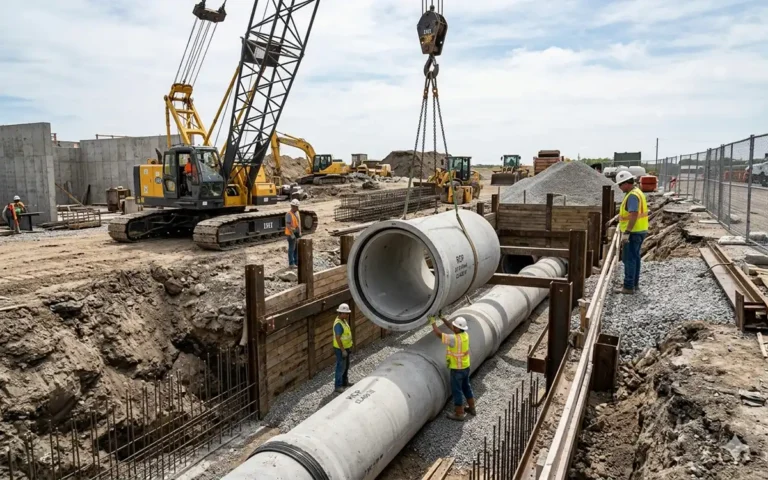

However, a pile of heavy timber can be intimidating. If you’ve ever wondered how to ensure the wall doesn’t lean over time or how to stop the wood from rotting underground, you’re in the right place. In this guide, we will walk through the step-by-step process of building a sleeper structure that stands the test of time, looks professional, and adds genuine value to your property.
1. Choosing the Right Materials for Building a Sleeper
Before you pick up a shovel, you need to decide which type of “sleeper” fits your vibe and budget. Not all wood is created equal, especially when it’s going to be sitting in damp soil for years.
Softwood vs. Hardwood
- Softwood Sleepers: Usually made from pine or spruce. They are lighter, easier to cut, and more budget-friendly. Most are pressure-treated (tanalised) to resist rot.
- Hardwood Sleepers: Often oak. These are incredibly dense, heavy, and naturally long-lasting. They don’t always require chemical treatment but are much harder to drill into.

Reclaimed vs. New
While reclaimed railway sleepers look incredibly “vintage,” be cautious. Older sleepers were often treated with creosote, a thick, oily preservative that can smell in the heat and rub off on clothes. For vegetable patches or seating areas, always opt for new, untreated, or eco-friendly pressure-treated timber.
2. Planning and Ground Preparation
Success in building a sleeper wall starts beneath the surface. You cannot simply lay timber on top of grass and expect it to stay level.
Building a Sleeper: The Ultimate Guide to Garden Retaining Wallshttps://t.co/20YUcYMNPX
— Considering Apple (@consider_apple) April 24, 2026
Calculating Your Needs
Measure the length and height of the area. Standard sleepers are usually 2.4m long. When calculating, remember to account for “staggering” the joints (like brickwork) to ensure structural integrity.
Construction Cleaning Services: The Complete Guide to Post-Job Perfection
The Foundation Trench
To prevent the wall from sinking or shifting:
- Mark the line: Use string lines and pegs to ensure your wall will be straight.
- Dig a trench: It should be roughly 50mm to 100mm wider than the sleeper and about 100mm deep.
- Add a sub-base: Fill the trench with 50mm of compacted gravel or a lean mix of concrete. This provides a level surface and helps with drainage.
3. The Installation Process: Step-by-Step
Once your foundation is set, the actual process of building a sleeper wall begins. This is where the heavy lifting happens.
Laying the First Course
The first layer is the most critical. If this isn’t level, the entire wall will look crooked. Use a spirit level constantly. If you are using a concrete base, lay the sleepers directly onto the wet concrete to “bed” them in.
Joining the Timbers
For a wall higher than one level, you need to secure the layers together.
- Timber Screws: Use heavy-duty landscape screws (often called Hex-head or Timberlok screws). These are designed to drive through thick wood without the need for a pilot hole in softwoods.
- Staggering: Just like bricks, ensure the vertical joints of the second row do not align with the joints of the first row. This “overlap” is vital for strength.

Vertical Reinforcement
If you are building a sleeper retaining wall higher than 600mm, consider driving wooden or steel “soldier piles” (vertical posts) into the ground behind the wall. Bolting your horizontal sleepers to these posts prevents the weight of the soil from pushing the wall forward.
Concrete Crack Filler: The Ultimate Guide to Repairing Your Driveway and Walkways
4. Drainage and Longevity
The biggest enemy of any timber construction is moisture. If water sits against the back of your wood, it will eventually rot, regardless of the treatment.
Backfilling for Drainage
Don’t just throw soil back against the sleepers.
- Membrane: Line the “soil side” of the sleepers with a waterproof plastic membrane or a geotextile fabric.
- Gravel Gap: Fill the first 100mm behind the wall with pea shingle or crushed stone. This allows water to run down to the base of the wall rather than soaking into the wood.
- Weep Holes: For longer walls, leave small gaps between some sleepers to allow trapped water to escape.
5. Finishing Touches and Maintenance
A job isn’t done until it looks the part. After building a sleeper feature, a little bit of aftercare goes a long way.
- Sanding: If the sleepers are near a walkway or seating area, sand down the edges to prevent splinters.
- Sealing: Even if the wood is pressure-treated, applying a clear wood preservative or an exterior oil once a year will maintain the color and add an extra layer of protection.
- Capping: Some people like to add a “top rail” of thinner timber to give a finished, flush look to the wall.
The Ultimate Guide to the Concrete Saw: Master Your Next Project
Featured Snippet: Common Questions
How do you stop sleepers from rotting in the ground? To prevent rot when building a sleeper wall, ensure you have a gravel drainage layer behind the wall, use a damp-proof membrane between the wood and the soil, and treat any cut ends with a dedicated wood preservative.
Do I need a concrete foundation for a sleeper wall? For low-level borders (one or two sleepers high), a compacted gravel base is usually sufficient. For retaining walls over 0.5meters, a concrete haunch or foundation is recommended to prevent shifting.
Final
Building a sleeper wall is a fantastic way to transform a garden from a flat, uninspiring space into a multi-dimensional landscape. While the work is physically demanding, the logic is simple: a solid foundation, staggered joints, and excellent drainage will ensure your project lasts for decades.